When the American white middle class is mentioned, what I picture is a family from the 50s. Particularly because the 50s were the years the middle class boomed economically and marketing really became a thing. Essentially, the middle class is, the face of semi-modern family structure (with variations) and purchasing power. With the increasing purchasing power, the American White middle class became the main component of consumerism. This was the age of diners, roller skates, milkshakes, washing machines, and extravagant meals every day. Anyone who has traveled to the United States will soon realize, their portions are huge. Americans eat a lot, but that wasn’t always the case. In this sense, the 50s are a direct contrast to the Great Depression era. A sort of healing period. Age of abundance…for most.
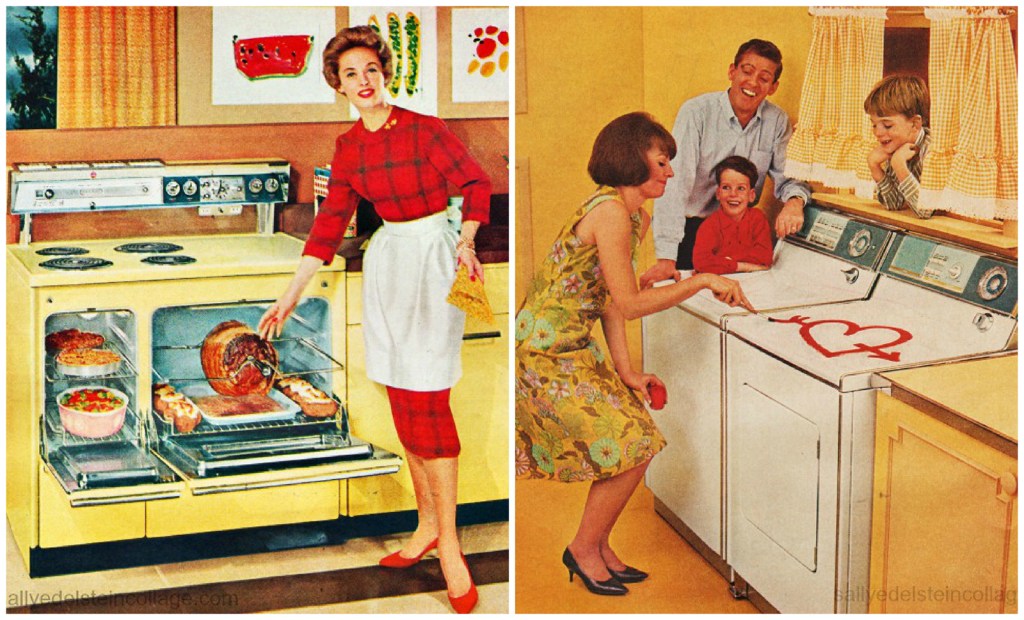
This period of easy consumption also had its downsides such as a decrease in quality, but on the other hand, it provided people with a great level of comfort in many things. The decrease in quality and the industrialization of production led to craftworks and artisanal work becoming niche products rather than to-go purchases. However, it could be easily argued that the benefits outweighed the costs. They now had more choices to make each day regarding the simplest things such as what to eat. The options were endless. This added a layer of complexity to our lives, but not depth.
A couple of years back, a lifestyle called minimalism (simple living) became wildly popular among western youth, especially the American middle class. In reality, minimalism is an art movement popularized around the 60s, but the adoption of it as a lifestyle is more recent than that. We also have to account for the Japanese effect on minimalism. There were so many designers jumping in on the trend, so many content creators claiming it was life-changing. Even to this day, minimalism is very popular among certain groups. While minimalism was booming, another name popped up, “Marie Kondo”. She had a very popular phrase “Does it bring joy?”. If something brings you joy you keep it, if not get rid of it. Doesn’t sound so bad, does it? The interesting thing is, the people who were most thrilled about this trend were the American White Middle Class, who was the first to board the consumerism train. How the tables have turned.
Between the 50s and the boom of the minimalist trend, I skipped the criticism that consumerism received. Some believe consumerism is the cause of many problems in society. It is also claimed that consumerism leads to planetary damage. As a solution to this, there have been movements such as zero waste. Other criticism includes people becoming more materialistic in nature and social relationships also becoming commodities.
While there might be some truth to these criticisms, we also have to acknowledge the reactionary movements to consumerism become marketable in itself. They become tags in the same consumerist cycle they pretend to get out of.
What I find in minimalism is, I believe it opens a huge space for creativity. We got so used to easy solutions, we forget how creative and resourceful the human brain was. Not just in coding, art, or white-collar life but also in daily life. When cooking, building, and when simply just living.
Simply living is usually slower than what is requested in our daily lives in order to keep up with the world. FOMO used to be something people experience on Friday nights, but right now we all experience it all the time. I’m no exception to this, but I’ve seen major improvement over the last year, and I’m here to tell why and how it connects with minimalism.
To be clear, I like owning things. I have a collection of cameras, board games, jewelry, and wine. I’m never going to give up on those, and since I’m an Armenian from Turkey, there is literally no way you can convince me to adopt a Scandinavian minimalist house decor. It just doesn’t work. I like mid-century bulky furniture and I like having those items you use once every blue moon. I like being prepared. I won’t rent, I will definitely buy, and these don’t stress me at all. On the contrary, I feel happy when I look at my belongings.
What stresses me the most is my bookmarks bar, my unorganized hard drive, my unread emails, my list of random things to do (68 full pages), and photographs on my iCloud.
This is important because I can feel the strain it puts on my mental energy. I can feel the nuisance it causes and this is why it was my top goal this year to completely cleanse and organize all of my folders, mailboxes, hard drives, basically anything. While I’m still in the process of doing this, there are a few things I realized along the way. 1) IT IS NOT EASY. 2) IT TAKES TIME.
I really didn’t expect to wake up one day and be done with it, but I’ve been working on it almost every day since the year began, and I’m not even like 5% done. It also brings up a lot of memories and questions regarding who you were, who you are, and who you’ll become. I unsubscribed from almost 200 mailing lists (some I don’t even know why I was subscribed, to begin with), but most of them were souvenirs from a person who I was once upon a time and there is a lot of unfinished business there. That sweater you forgot to buy from that one brand, or the trip you never took, the online course you never started, etc., etc.
It’s not always easy to give up your idea of yourself or the person who you wanted to become once. There are a lot of feelings tied to those ideas, moments, and bookmarks. I think this is why we have a lot of closets full of things, whether tangible or not. We can’t part away with things before we part ways with ideas and feelings. It almost brings up a sense of grief, because in a way you died.
When we take the step to do this, it opens up a huge space for mental clarity, and it reminds you of many things you’ve forgotten. I only talked about the things I unsubscribed from, however, going through everything can also remind you of the things that added value to your life once, but then you forgot. It is basically the process of distinguishing what’s worthy of your life and energy and what’s futile.
The antidote to this mess is prioritization and minimalism in the necessary areas of your life. When you can hyper-prioritize your values, then it will be easier to know what to do or choose, and you will also experience less FOMO because you will be most sure of your choices. This whole sifting and sorting through what you’ve collected over the years can give you your values, what you lost, what you gained, and where you want to go from here.
If you can check your Instagram and feel like you wouldn’t want to be anywhere else or doing anything else, that would be a sign of successful prioritization and self-discovery.
To sum it up, I believe, minimalism is strongly tied to slow living, and simplicity, which can be good for you, but you can not force your way into it. You can be in a period where you need to consume a lot, and you can be at a point where you have to purge. Either way, it’s a part of becoming. Just, keep in mind, when the time comes, be brave enough to unsubscribe.


Leave a Reply