Something is breaking in how we relate to one another. People feel it. Some notice it through failed dating attempts, others through friendships that have quietly withered, and many through the silent weight of loneliness.
I call it a socialisation crisis, not just a loneliness epidemic. Loneliness is only a symptom. Socialisation is more than company, it is the source of joy, meaning, and the very process by which we become human. We learn in relationships, the good and the bad. If we lose that ground of learning and growth and no alternative rises to replace it, we are not just lonely, we are in crisis.
The signs are all around us. People see each other less, customs dissolve, long-term friendships and partnerships fade, the elderly are cut off from life, and a quiet loss of meaning creeps in.
How Did We Get Here? The Lonely Comfort Zone
The usual culprits, social media and digitalisation, are too easy an explanation. TikTok did not invent alienation. Twitter did not kill dinner tables. They only sped up what was already breaking.
The deeper shift began when self-help culture taught us to obsess over self-image. When you are busy curating a fragile glass version of yourself, every interaction feels like a threat. So we retreat. We avoid awkwardness but we also avoid connection. We choose comfort over contact. And that is how the comfort zone turns into a lonely one.
What the Future Beholds?
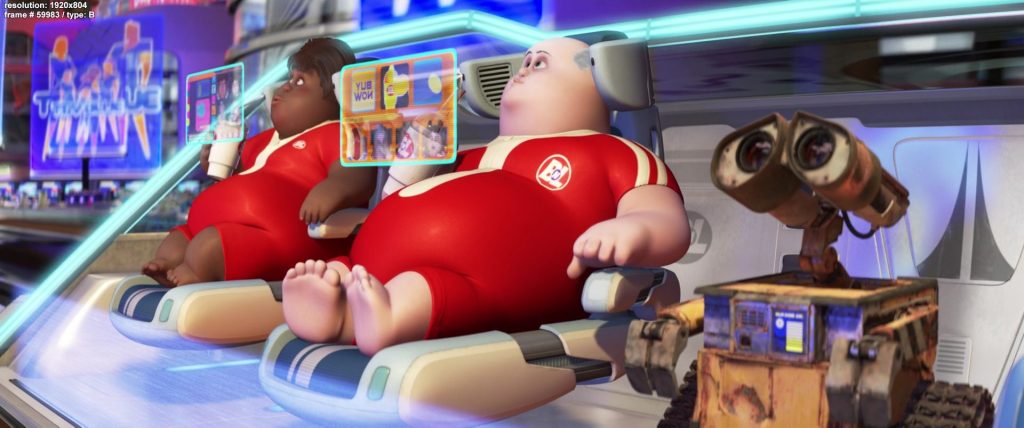
At the start of this year I made some predictions about where society is headed. The most likely future is a split. A large part of the population will disappear into cheap dopamine, like the humans in Wall-E. No socialising, no dating, perhaps even no work as UBI experiments expand. A hollowed-out existence.
But the rest will shape the world, culture and history.
The future is not on TikTok, Twitter or any online platform. That illusion is cracking. The market has realised the numbers game does not deliver what it promised.
The future is everything we once dismissed as ordinary.
What Can We Do About It? Shifting the Tide
Last month I was reading The Remains of the Day on the beach when an old lady struck up a conversation with me. In the past I would have smiled, traded a few polite words, and gone back to my book. This time I stayed. I asked her questions. I watched her face light up as she shared her stories. Since the beginning of this year I have been making a conscious effort to talk to the elderly, to really listen, and I am glad I have. These moments matter. They remind me that people need connection, and so do I.
This instinct to value conversation is not new. In middle school when my reading shifted from world literature to philosophy, the first book I picked up was Plato’s Dialogues. One stayed with me. The Symposium, where a group of men gather at a banquet to share ideas over food and wine. That image never left me. I suspect it is the root of my love for hosting dinner parties, with 2022 deserving an honourable mention. There is something timeless about people sitting at a table, talking late into the night, discussing ideas.
This impulse runs through my work as well. My personal and professional lives overlap in the same instinct. I bring people together. I create spaces where introductions happen naturally, where inside jokes are born. Those small sparks between people are worth more than anything they might find scrolling online. They are not only more fulfilling, they are more real.
We need to stop seeing ourselves as victims of the time we live in and start recognising the power we still hold. People learn from relationships, and we can learn relationships again. Connection is not a lost skill, only a neglected one.
Of course, not everyone will respond to kindness. Some people will not meet our attempts with closeness. But most will. And to me, the most interesting people will always be the ones who are in the room.
So what can we do? We can begin, in whatever small ways we can. We can reach out, risk the awkwardness, allow ourselves to fail, and allow ourselves to be seen. We can fall in love, send messages that might seem foolish, apply for jobs we are unqualified for, greet strangers, linger in conversations, remember birthdays, forgive and be forgiven. We can throw dinner parties, even small ones. It is not about grand gestures. It is about choosing connection over inertia.
This morning I went to church for Vartavar, the Armenian festival where everyone drenches each other with water. I prayed with people while children ran through the church garden, shrieking with joy. That is the future. It is not the next viral TikTok or a trending post on Twitter. It is this, soulmates finding each other, children laughing under the summer sun, conversations that stretch deep into the night. The future is life.
And if we shift the tide, we shape the wave.
https://www.researchgate.net/publication/379959673_CONTEMPORARY_IDENTITY_CRISIS_AND_SOCIALISATION
 salpiozgur.com
Leave a comment