02:15 AM. I’m trying to finish some project timeline. It is good but not quite where I would want it to be. Frustration hits. My phone is turned off so I check Twitter on the browser. Earthquake. It happens often in Turkey. While scrolling I see 7.4. That can’t be true. 7.4 is too gross by any measure. It can’t be.
This was over a month ago. My home country had never experienced a disaster this big. We had the occasional forest fires and we’re infamous for our faultlines but nothing this big ever happened. The night slowly fades into the morning. The next day was way worse than anything I have ever seen. My naive assumption was we would have a few injured and maybe some deaths but I would never imagine there being people under the rubble even in mid-March, 1,5 months after the disaster.
Unity
Twitter is the powerhouse of people. Ever since the Occupy Gezi protests, Twitter has become the place to show solidarity, help one another and even cause social change (I still think street activism is more important). In a very short period of time, help had mobilized from all corners of the world with the help of the cultural elite, influencers, and civil society organizations. Amidst the major failure of the state, we saw voluntary action and solidarity.
Obviously, I might be looking at this through my confirmation bias but for nearly two weeks, everyone I knew talked about the topic and tried to help in any way they could. There was a feeling of deep unity almost performing as the antithesis to the loneliness which is the hallmark of the age we live in. Everyone secretly felt good and safe while we were in a pit of darkness. Reminiscing what we felt during Occupy Gezi protests. It was weird. Emotional. Human.
Normalcy
Life goes on. Sometimes it does because we want it to and other times it does despite we want it to stop. After the first two weeks, people slowly started talking about other things. Daily life was continuing anyway. Why not talk about it? We had lost so much, but we were alive.
Being alive or just living can come with a pinch of guilt. When so many suffer, living may feel like a betrayal rather than normal. Yet, this guilt is part of life. We lose our loved ones; people we talk to every day and we carry on. We smile, we laugh, and we cry.
At times, people have the audacity to judge life. The way we carry on or the way we carry our grief. These may be the same people who flag those who aren’t crying at a funeral. Monitoring others’ grief as a means of connection through peer pressure. This could be considered an attempt to gain social capital through moral superiority but I see it as something different. I see it as a sneaky insurgence against loneliness. Not the public one but the private one.
As life becomes more individualized the culture needs to adapt. We need other forms of socialization and bonding. While friendships and work environments exist it is completely different than living in big houses with extended families and it is not even comparable to being in a tribe. Although we see political movements and subcultural groups forming alliances and organizing in an almost tribalistic manner, still we live in apartment buildings and most of the time the only person we really feel responsible for is our significant other. We lack connection.
Twitter, Facebook, and Instagram have been great tools for communication but they also brought in their own baggage. It became easier than ever to tickle our innermost demons. Demonstrations of extreme emotions earned gravity. In this almost ritualistic masquerade of extremity, our reactions commodified themselves and this commodity became a moralistic expression.
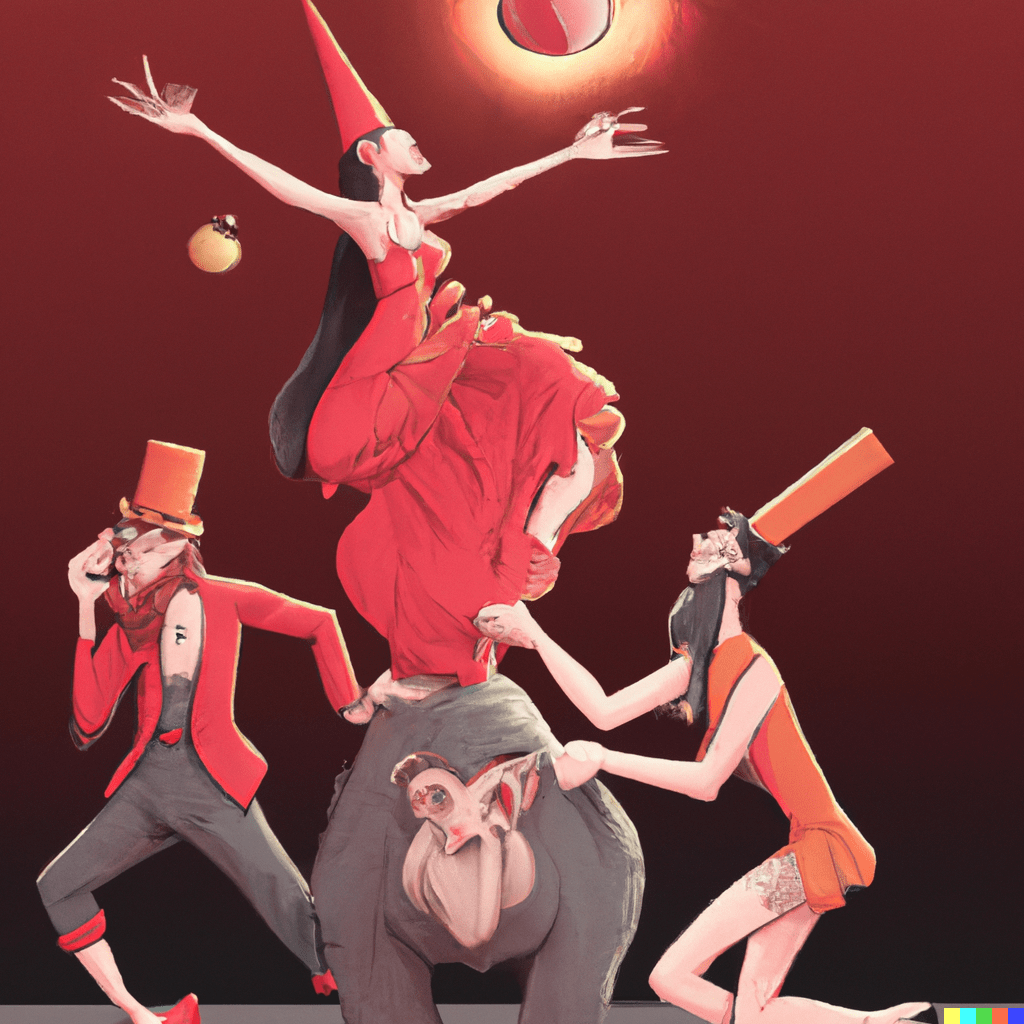
As expressing became the norm, not doing had its own dangers. Betrayal to the group. Being outcasted and so on. It quickly transformed us into circus animals using every human feeling and behavior to impress an audience.
Social media started out as a space for freedom. Now it’s killing our authenticity. We talk about tolerance almost incessantly. Identities get tolerance but our individuality doesn’t. The way we should be expressing ourselves is under constant surveillance. At times by the government but most of the time by people.
In this state of being a creature of masquerade, we diminish our chances of making real connections. Thus, the will of the masses to control the individual both destroys the individual but also condemns us to loneliness.
None of these apps will disappear tomorrow and even if they did it would only solve the problem partially as the only thing social media does is magnify the dynamic that already exists.
The only way out seems to be speaking our minds with kindness. Especially when times are tough and conversations are difficult.
 salpiozgur.com
Leave a comment