Along the coast of the Baltic Sea lies the beautiful city of Tallinn.
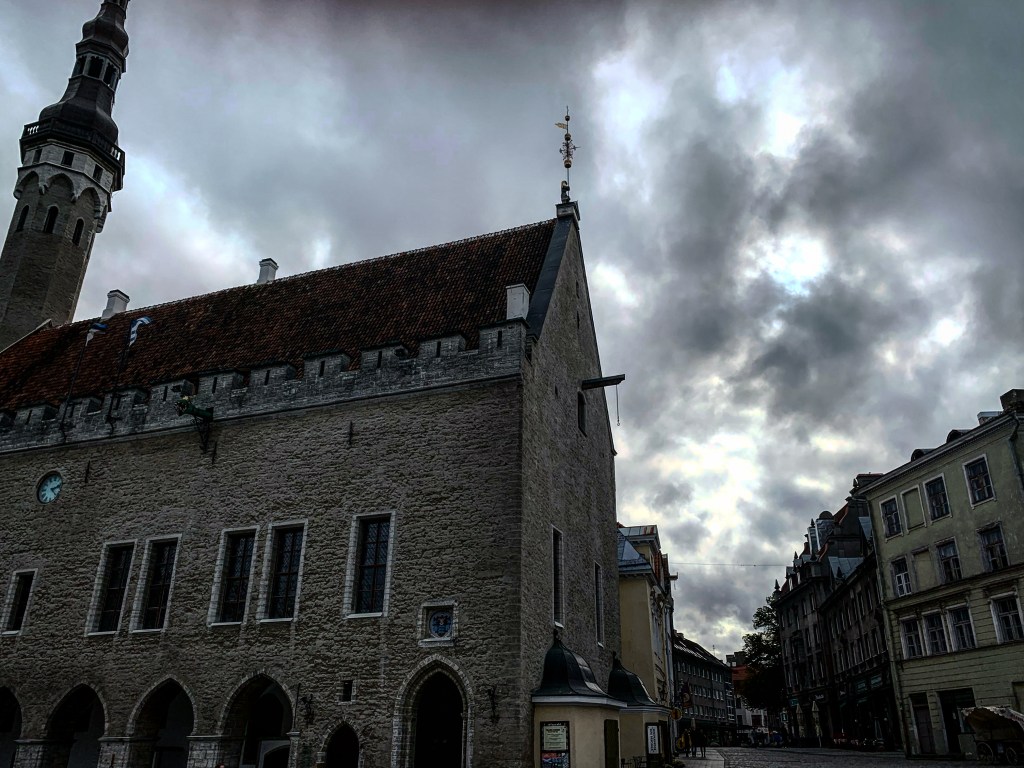
I didn’t go there with the intentions of writing about it but the city inspired me to do a three-part series on the Baltic capitals. Apart from the beautiful sights, filled with history, Baltics now have the opportunity to become one of the most desirable places to live in the world. This is majorly due to the economic & digitalization policies they currently have. A freelancer would be very happy to live in Tallinn.
The earliest mention of ‘Tallinn’ is in 1154, but human settlements date back 5,000 years. Even though Tallinn’s name dates back to the 12th century, for the most part of its history Tallinn was known by its Danish name ‘Reval’.
The city is mentioned in Slavic Chronicles and the Njal’s Saga (Icelandic).
Throughout its history, the city’s importance has been great due to it serving as a port, and at one point being a part of the Hanseatic League.
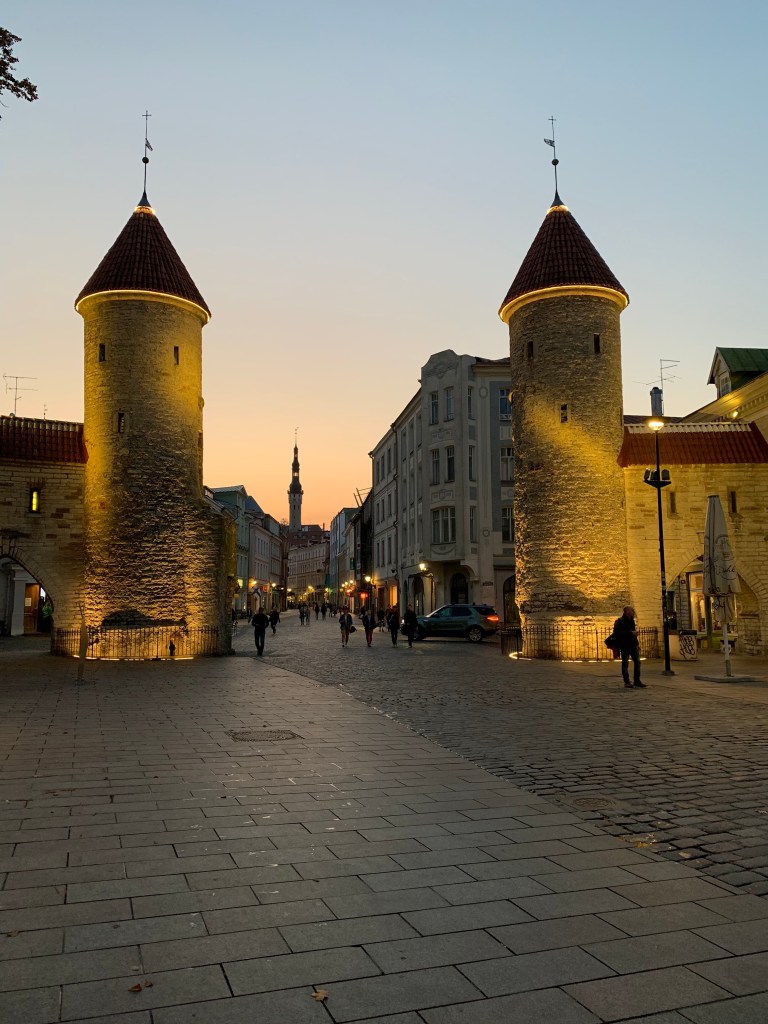
The first fortress in the city was built in the 11th century in Toompea.
Toompea means Cathedral Hill and according to the epic poem Kalevipoeg (Kalev’s son), the hill is built by Linda (mourning mother) and it is the place where the giant Kalev’s grave is. Today, Toompea Castle houses the Estonian Parliament and you can visit the castle when you’re in Tallinn.
A couple of hours into your trip, you’ll soon realize how much this great city has endured, but preserved itself, and one of the greatest sufferings the city had was under Soviet Imperialism. Estonians are probably one of the most anti-communist and anti-Soviet people of all.
In order to better understand the dreadful Soviet legacy, there are three important sights you have to see.

KGB Prison Cells
Before the suspected enemies of the USSR were sent to Gulags (or shot) they were imprisoned and interrogated in KGB prison cells located in the cellar of a building in Pagari 1. This beautiful Art-Nouveau building, now home to many happy people, has been a dreadful place once.
The prison cells were established in 1941. Basement windows were bricked up and this was to drown the voices of people being tortured. These cells witnessed so much, which you can see when you visit the place. Even the walls are covered in terror. The center was used only for nine years, but the horror surrounding the place still lives on.
Patarei Prison
This building serves the memory as one of the most notable marks of the atrocious Soviet period and Nazi horrors.
The prison/fortress/museum is located on the shore of Tallinn Bay. It is quite bizarre for a location that has so much beauty to have such horrible history, but I guess we could say that about a lot of historic landmarks.
Patarei Sea Fortress was established as part of the fortifications for Imperial Russia. The order was given by Nicholas I. After the Crimean War, the fortress no longer served the Russian Empire, due to defeat. The complex was converted to barracks.
After WWI, The Republic of Estonia reconstructed the building as a prison, and it was used until 2005.
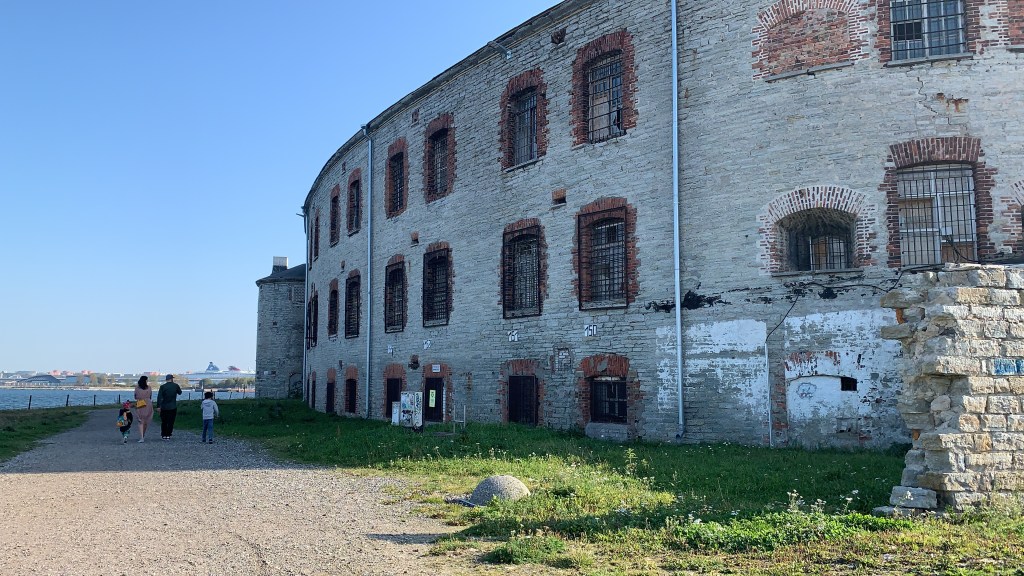
Interestingly, the very first prisoners were some of the Estonian police officers who fought communism. The prison also became famous for on-location executions. Which is not the best way to go in history books.
Patarei Prison and Pagari street have much in common. I suggest you read about both locations before your visit. Although it will make your visit more terrifying, it will also make it more meaningful. Being able to look directly into the eye of what humans are capable of makes us live better lives and learn from history, so we won’t repeat the same mistakes.
Currently, the prison functions as a museum. It was decided in 2018, to make it a museum of crimes of communism with an international center. The museum’s eastern part will be open for a visit in 2025.
Linnahall
The now-empty block of concrete was first built in 1980 to host a section of the Moscow Olympics. The architects were Raine Karp and Riina Altmäe. This brutalist-style building resembles more of a shrine rather than a multipurpose venue (originally V.I Lenin Palace of Culture and Sports).
The Arena usually sits empty nowadays as there are rarely such big events to host here. Because the construction of the site was hurried, the building is not in such a great state, however, it is still possible to visit the roof of the hall where you can get a glimpse of Tallinn’s city skyline. Most tourists like the steps leading up there as well.
In 2019, it was announced that the building would be converted into a conference center with an opera & concert hall. If this plan actualizes, there is a high chance it will become a top-notch location for the Baltics and even Russia.
What Else?
Apart from Soviet history, the city of Tallinn has inspired the famous city Ankh-Morpork from Terry Pratchett’s Discworld universe. The City center of Tallinn would be a delight to roam around for the fans of his work, as it really feels like a place from an old book.
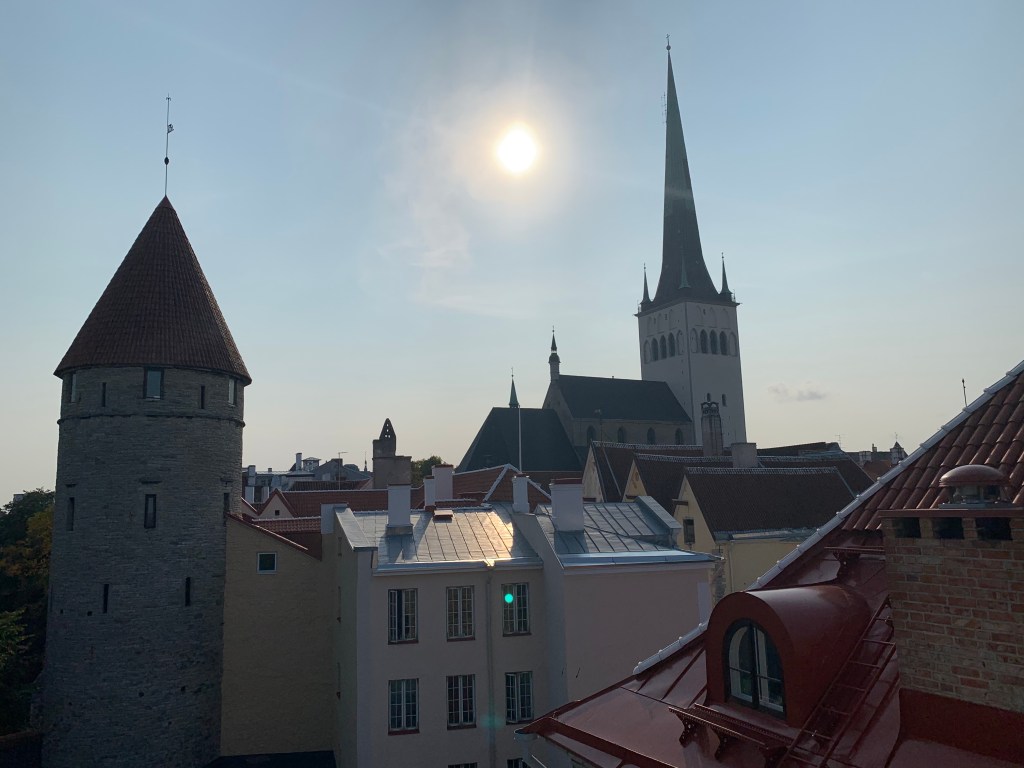
When you’re in town, you must visit Noblessner seafront quarter and Telliskivi Creative Center. You can check out the ferry for a trip to Helsinki, or you can take the train to Tartu.
If you’re looking to have a bite make sure to consider Restaurant Olde Hansa or if you’re vegan Väike Rataskaevu 16.
In the next post of this trilogy, I’ll be writing about Riga! Until then, travel well & take care.
 salpiozgur.com
Leave a comment